Audio Design Strategies Enhancing Session Durations in Slot Interfaces
Written by Otto Brooks · Aug 26, 2026

Audio Design Strategies Enhancing Session Durations in Slot Interfaces
Slot interfaces incorporate layered sound elements that align with player actions and outcomes, and these components shape how sessions unfold over time. Data from multiple jurisdictions shows that carefully calibrated audio tracks coincide with measurable increases in average play duration among regular users, while the combination of reel spin effects, win chimes, and background loops maintains attention without requiring visual focus alone. Researchers tracking engagement metrics across large player samples note consistent patterns where specific sound frequencies and tempos correlate with extended sequences of spins rather than early exits.
Core Components of Slot Audio Systems
Modern platforms build audio layers that activate at distinct moments: continuous ambient tracks establish a steady rhythm, individual reel stops produce distinct clicks or tones, and payout events trigger escalating musical phrases. These elements operate together so that near-miss sequences emit slightly dissonant notes that resolve into brighter sounds on subsequent spins, creating an auditory arc that players follow without conscious effort. Industry reports compiled through 2025 and into August 2026 indicate that platforms adjusting these layers see session lengths rise by measurable percentages when compared against control versions that mute or simplify the same cues.
Sound designers calibrate volume envelopes and frequency ranges to match typical casino floor acoustics while adapting for mobile headphones and speakers, and this calibration ensures the cues remain effective across different environments. Observers tracking user behavior find that frequent players respond more strongly to these tailored sequences because repeated exposure builds recognition of reward-associated patterns, which in turn sustains momentum through longer stretches of play.
Psychological Mechanisms Linking Sound to Continued Play
Studies in behavioral research demonstrate that auditory stimuli tied to variable rewards activate reward pathways similarly to visual indicators, and slot audio exploits this overlap by delivering immediate feedback on every outcome. Win sounds vary in complexity according to prize size, with smaller payouts using short ascending motifs and larger ones incorporating fuller orchestral hits that extend several seconds, and this variation keeps the brain engaged through anticipation of the next auditory event. Data collected from European regulatory bodies shows that sessions featuring these graduated audio rewards average longer intervals between pauses than those relying primarily on visual displays.
Background music tempo often increases subtly during bonus rounds or after consecutive non-winning spins, and this shift coincides with documented rises in spin rate among tracked users. Frequent players develop familiarity with these progressions, which allows the audio to guide attention and reduce the likelihood of disengagement during quieter periods. Research institutions examining digital gaming environments have recorded that players exposed to consistent audio loops maintain higher rates of consecutive spins compared with groups tested under muted conditions, confirming the role of sound in bridging gaps between individual outcomes.
Evidence from Player Data and Platform Metrics
Platform analytics compiled across multiple operators reveal that audio-enabled versions retain frequent users for additional minutes per session on average, and these gains compound when players return over weeks or months. A report issued by the Australian Gambling Research Centre links specific sound design choices to retention curves that remain elevated beyond the first thirty minutes of play, whereas simplified audio versions show steeper drop-off rates in the same timeframe. Figures from Canadian provincial monitoring programs similarly indicate that interfaces using dynamic audio scaling experience fewer early terminations among high-frequency accounts.
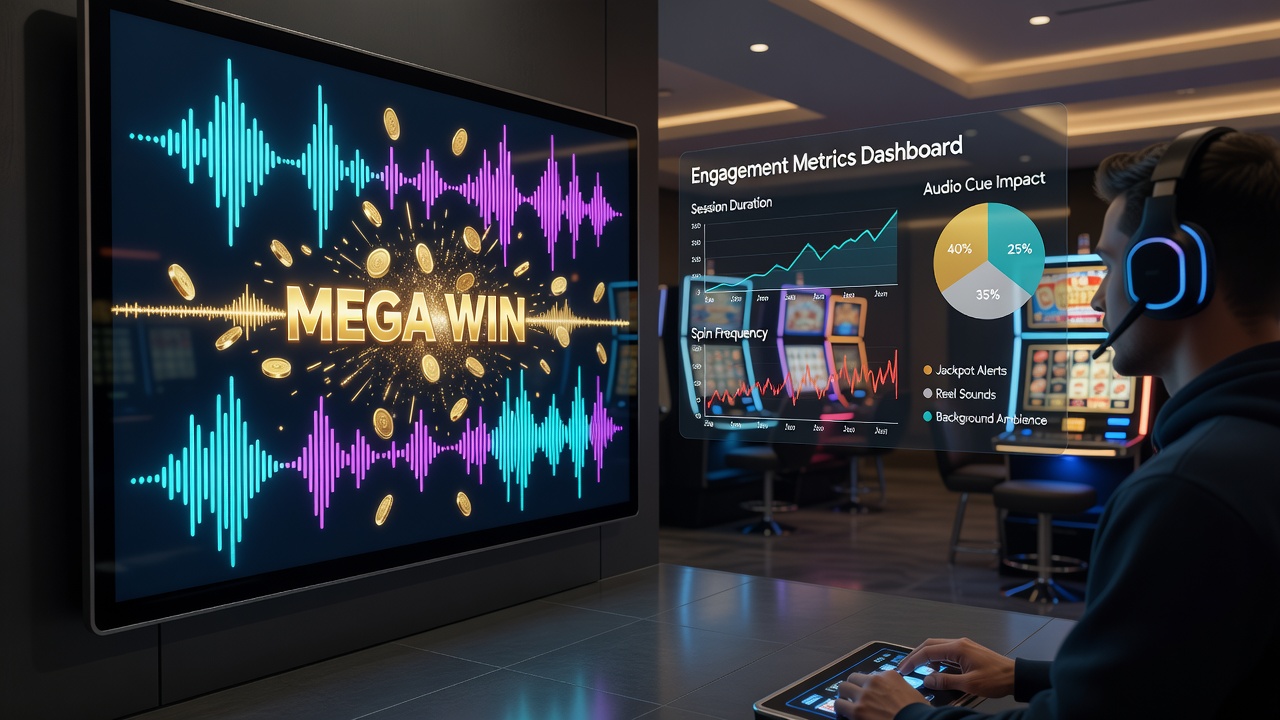
One analysis conducted by researchers at a North American university examined anonymized telemetry from thousands of accounts and found that players encountering richer sound palettes logged more total spins before reaching self-imposed limits or natural stopping points. The study controlled for jackpot size and bonus frequency, isolating audio as the variable that produced statistically significant extensions in session length. These findings align with broader observations from industry associations that track engagement across regulated markets in multiple regions.
Implementation Patterns Across Different Markets
Operators in various jurisdictions apply audio strategies that reflect local preferences while following the same core principles of reward signaling and rhythmic continuity. Platforms serving North American audiences often emphasize percussive reel-stop effects paired with celebratory brass elements, whereas European and Asian markets incorporate more electronic and ambient textures that blend with mobile device usage patterns. Despite surface differences, the underlying mechanism remains consistent: audio cues mark progress and reinforce continuation at points where visual attention might otherwise wane.
Regulatory documentation from several oversight bodies records that operators testing incremental audio enhancements report corresponding lifts in average session metrics without changes to payout percentages or bonus structures. These adjustments occur within existing responsible gambling frameworks, and the resulting data continues to inform how interfaces evolve through 2026 and beyond. Frequent players, already attuned to the established audio vocabulary of their preferred titles, exhibit the most pronounced extensions in play duration when those familiar cues receive refinement rather than replacement.
Conclusion
Audio cues integrated into slot interfaces contribute measurable effects on engagement duration by providing immediate, varied feedback that aligns with player actions and outcomes. Platform data, academic examinations, and regulatory reports collectively demonstrate that these sound elements sustain session lengths among frequent users across different markets and device types. As interfaces continue to incorporate refined audio layers, the documented patterns of extended play remain consistent with the mechanisms observed in studies published through August 2026.