Virtual Reality Technologies Redefining User Interactions in Remote Gambling Settings
Written by Ines Perry · Sep 8, 2026
Virtual Reality Technologies Redefining User Interactions in Remote Gambling Settings
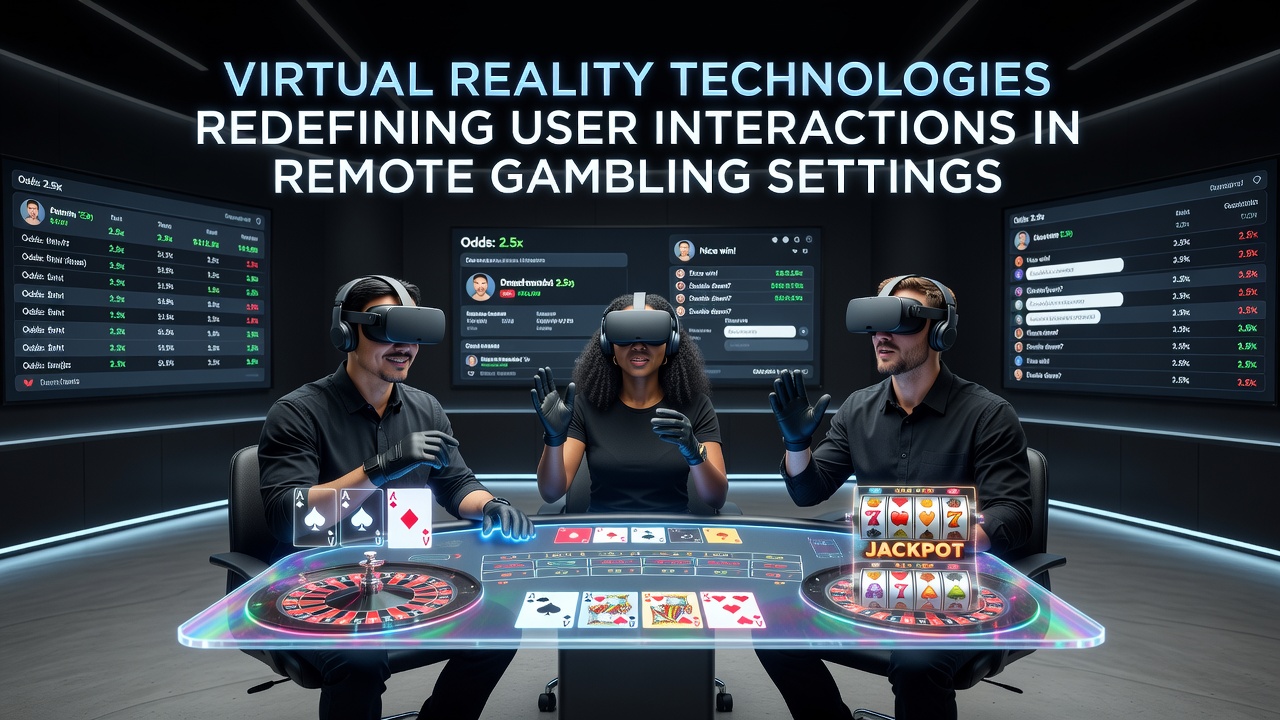
Virtual reality technologies have introduced new dimensions to remote gambling by creating fully immersive environments where users interact through avatars and simulated physical spaces rather than traditional screen interfaces. These systems combine head-mounted displays, motion tracking sensors, and spatial audio to replicate the atmosphere of physical casinos while allowing participants to join from separate locations around the world. Data from industry reports shows adoption rates climbing steadily as hardware becomes more accessible and software platforms integrate real-time multiplayer features.
Core Components Driving Immersive Interactions
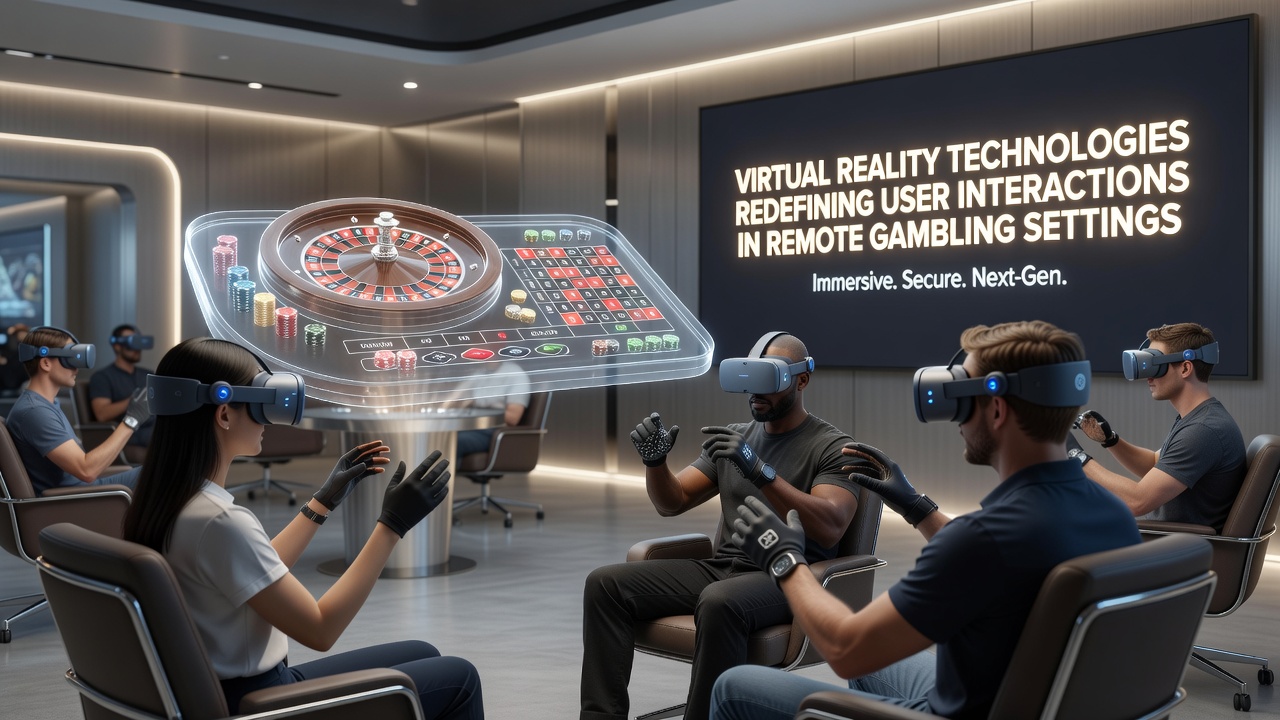
Headsets equipped with high-resolution displays and wide field-of-view optics form the foundation of these experiences, while hand controllers translate gestures into actions such as placing bets or handling virtual chips. Haptic feedback devices add another layer by simulating textures and resistance so users feel the weight of cards or the spin of a roulette wheel. Researchers at several technology institutes have documented how these combined elements reduce the sense of separation between player and game compared with standard online interfaces.
Networking protocols ensure low-latency connections that synchronize movements and outcomes across multiple users simultaneously. When one participant leans forward to examine a virtual table, others in the same session see the corresponding shift in perspective. This synchronization relies on cloud-based rendering farms that process complex graphics locally and stream results to individual devices, a method that has expanded significantly by September 2026.
Social Dynamics in Shared Virtual Spaces
Avatars allow players to represent themselves with customizable appearances while maintaining anonymity if desired. Voice chat and gesture recognition enable conversations and reactions that mirror face-to-face exchanges at physical tables. Studies conducted by academic groups in North America indicate that these features increase session duration because participants form temporary social connections during gameplay. Observers note that group dynamics such as celebrating wins or commiserating over losses emerge naturally within the virtual setting.
Dealers and hosts appear as lifelike characters controlled by staff or advanced AI systems that respond to player questions and manage game flow. Remote gambling operators have deployed these elements across poker rooms, blackjack tables, and slot machine halls to recreate the communal aspects that many users associate with land-based venues. Figures from Canadian regulatory reviews reveal growing numbers of licensed platforms offering VR options alongside conventional web and mobile access.
Technical Challenges and Infrastructure Requirements
Bandwidth demands remain substantial because high-fidelity visuals and positional audio must transmit without interruption. Operators address this through edge computing nodes positioned closer to end users and adaptive streaming that lowers detail during peak congestion. Hardware costs continue to decline, yet compatibility issues persist across different headset models and operating systems. Engineers working on cross-platform solutions have released updated software development kits that standardize input mapping and rendering pipelines.
Privacy protections require careful handling of motion data and biometric signals collected during sessions. Regulatory frameworks in regions such as the European Union and parts of Asia emphasize consent mechanisms and data minimization practices for VR gambling services. A 2025 analysis published by the National Council on Problem Gambling examined usage patterns and highlighted the need for built-in session limits that function within immersive environments.
Regulatory Landscape Across Regions
Government agencies monitor VR gambling developments to ensure compliance with existing licensing standards while addressing novel aspects such as virtual currency handling and avatar verification. In Australia the Interactive Gambling Act provides guidance on interactive formats, and similar updates appear in frameworks administered by bodies in New Zealand and Singapore. These rules focus on age verification, responsible gambling tools, and fair outcome certification that apply equally to virtual and non-virtual offerings.
Industry associations including the World Lottery Association have issued position papers outlining best practices for integrating VR elements without compromising player protections. Collaboration between technology providers and regulators has produced testing protocols for spatial randomness and collision detection that underpin game integrity. Data compiled through these efforts shows consistent performance across approved platforms when proper certification processes are followed.
Future Integration Trends
Developers continue exploring eye-tracking and brain-computer interfaces that could allow selections through focused attention rather than physical controllers. Mixed-reality headsets that blend virtual elements with the user's actual surroundings represent another avenue under active investigation. Reports from research consortia in Japan and South Korea detail prototype systems that merge live dealer feeds with fully rendered environments for hybrid experiences.
Partnerships between gambling operators and major hardware manufacturers have accelerated hardware optimization for prolonged sessions. Thermal management improvements and lighter form factors address comfort concerns that previously limited extended use. As infrastructure expands through 2026 and beyond, observers expect further convergence between virtual reality platforms and established remote gambling ecosystems.
Conclusion
Virtual reality technologies continue to reshape how participants engage with remote gambling through enhanced sensory feedback, social connectivity, and spatial immersion. Technical advancements in hardware and networking support more stable and realistic sessions while regulatory bodies maintain oversight across multiple jurisdictions. Ongoing research and infrastructure investments indicate sustained evolution in this area as platforms mature and user bases expand.